
THANK YOU FOR WATCHING!
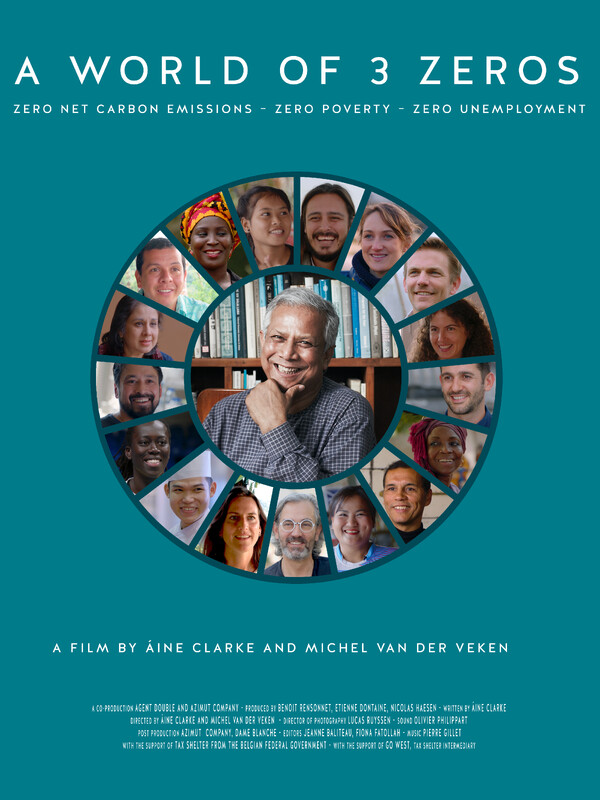
A World of 3 Zeros
106min | Belgium
Directed by Áine Clark & Michel Van der Veken
By shedding light on a new type of business, purposely designed to address social and environmental problems for the common good. The documentary explores the ability of social entrepreneurship to address global problems of poverty, unemployment, and net carbon
emissions.
Adlais
10min | United Kingdom
Directed by James Davoll
The Dyffyn Nanttle valley has been quarried for slate since the 14th century. This activity has all but ceased in the 21st century. Adlais seeks to explore this unique landscape by extracting sounds and visuals directly from it.

Arkadaşloch – Nobody’s Problem
79min | Turkey
Directed by Nilay Kılınç, Markus Bauer, Alexander Brugger
A social anthropologist and a convicted criminal who got deported from Germany engage in a dialogue to tell the story of many Turkish migrants from Germany who returned to Turkey to live a better life.

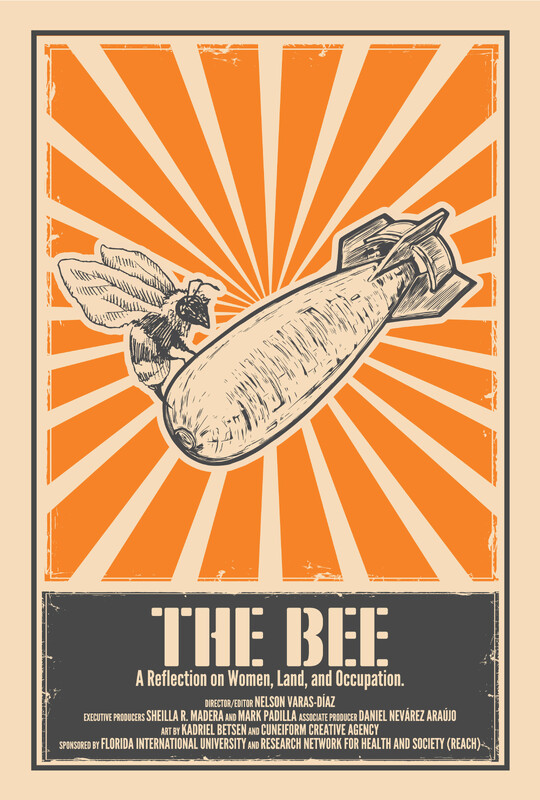
The Bee – A Reflection on Women, Land, and Occupation
29min | Puerto Rico
Directed by Nelson Varas-Díaz
This documentary follows a feminist group of women beekeepers living on the island of Vieques, Puerto Rico. Twenty years have passed since the US Navy stopped using Vieques as a bombing range. Still, the locals continue to live through the legacy of a military that savagely displaced the population and affected the use of their land.
Beyond
3min | United States
Directed by Raquel Salvatella de Prada
Beyond addresses, in animated form, the history of Taiwan’s White Terror, possibly the darkest period in Taiwan.

Borderscapes
31min | United Kingdom
Directed by Btihaj Ajana
Borderscapes addresses the challenges facing migrants and asylum seekers in the face
of an ever-increasing tightening and externalisation of border control.

Brick Mule
66min | United Kingdom
Directed by Michael Brown
This observational anthrozoological ethnographic film documents the lives of Nepal’s working mules. The film finds a closeness with the mules; their sale in India, their journey to Nepal and their work in the huge brick factories of the Kathmandu valley and portering goods into the high Himalayas.
Cai Lun’s Key: How the Kam People Preserved the Earliest Papermaking
16min | USA
Directed by Marie Anna Lee
An art professor and her students apprentice with Kam minority artisans deep in the mountains of southwest China to learn early papermaking technology. The Kam have lived secluded from the rest of the world for centuries. Their papermaking tradition can be traced directly to the Chinese official Cai Lun, who is credited with inventing paper over 2000 years ago. Kam artisans adopted his technique after the addition of mulberry bark to the pulp mixture but before he invented the dipping method of forming paper. Their current practice takes us back two millennia the way no archaeological discovery can.

Dig Deeper
55min | Australia
Directed by Mark Street
Four divergent Indigenous artists use their personal stories and historical injustice as a driving force to break through and create internationally recognised urban art. To provoke or to regenerate? These artists are digging deeper into their art to uncover unfinished business.

Divine Instinct
90min | USA
Directed by James Gossard
In this immersive-artistic documentary, explore the hermit’s woods and the psychological world and art of sculptor and mixed-media artist Gary Spinosa, an artistic savant who left the world behind to pursue his ethereal art.
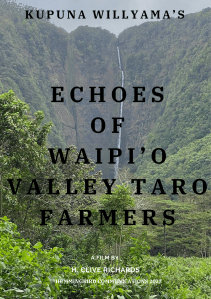
Echoes of Waipi’o Valley Taro Farmers
43min | United States
Directed by H. Clive Richards
Kupuna WillYama, born 1946, and raised in Waipi’o Valley, Big Island, Hawai’i, explores ideas of how to preserve and protect taro farming in Waipi’o Valley. He shares many perspectives on Waipi’o Valley taro farming and ways of sustaining the sacred valley culture and an important Hawaiian food staple, taro, for future generations.
The Eye Begins in the Hand – El Ojo Comienza En La Mano
16min | United States
Directed by Yehuda Sharim
El Ojo Comienza En La Mano is a tribute to campesino histories in rural CA through the artwork of an artist largely absent from critical conversations on Chicanx art, Ruben A. Sanchez, as well as an unsentimental reckoning with the fate of many cultural workers that struggle between paying rent and/or creative endeavors.

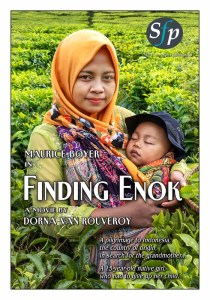
Finding Enok, coping with our colonial past
66min | Netherlands
Directed by Dorna Xandre van Rouveroy van Nieuwaal
“Finding Enok: A Dutch-Indonesian family’s quest to unravel the obscured legacy of the indigenous grandmother, a Njai, the primordial mother of all Indo’s, revealing deep-rooted colonial impacts and forgotten histories.”
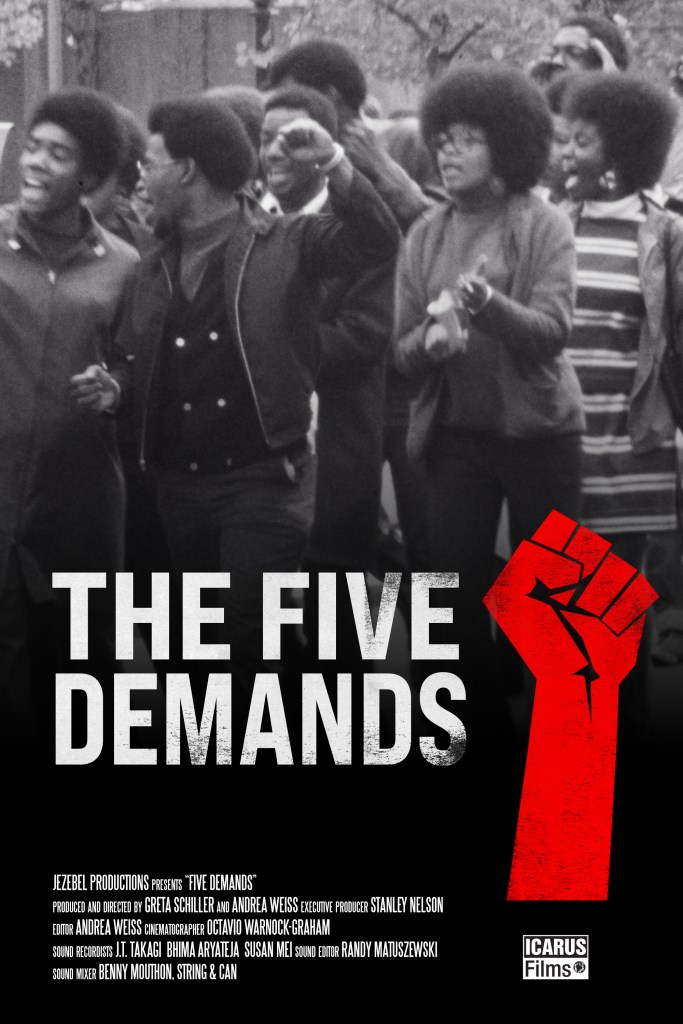
The Five Demands
74min | United States
Directed by Greta Schiller & Andrea Weiss
In April 1969, a small group of Black and Puerto Rican students shut down the City College of
New York, an elite public university located right in the heart of Harlem. Fueled by the
revolutionary fervor sweeping the nation, the strike soon turned into an uprising, leading to the extended occupation of the campus, classes being canceled, students being arrested, and the resignation of the college president. Through archival footage and modern-day interviews, we follow the students’ struggle against the institutional racism that, for over a century, had shut out people of color from this and other public universities.
Hopa Lide
89min | Slovakia
Directed by Petr Nuska
The Roma (often disrespectfully called “Gypsies”) are members of an underprivileged ethnic minority persecuted all around the world. But there is one cultural trait for which they are celebrated globally: their music making. The film invites the audience to question deeply rooted stereotypes about Roma from its unusual position as a documentary made with rather than on Roma.
Human Beings in the Museum
33min | Germany
Directed by Wolfram Höhne
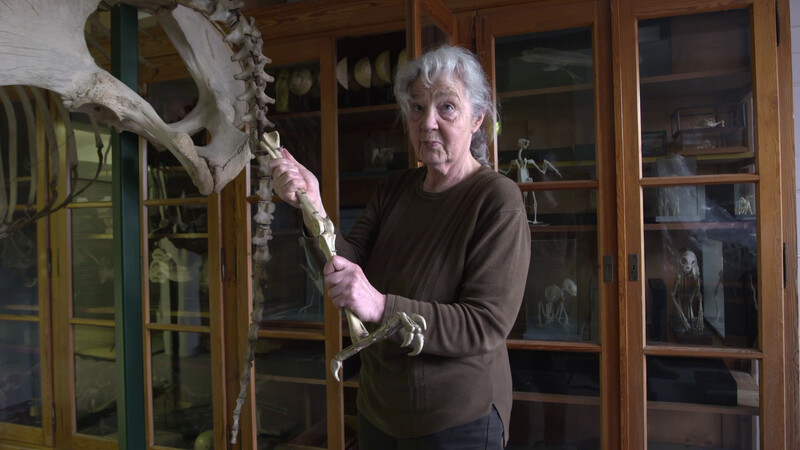
Through the unusual world of objects held in this Natural History Museum, the film explores this irritating ambiguity and observes the work of the museum. Often, the scientific approach to the objects reaches its limits and gives way to emotional moments. What relation to nature does the natural history museum teach us?
Into the Mist
79min | Nepal
Directed by Sachin Ghimire & Gaurab KC
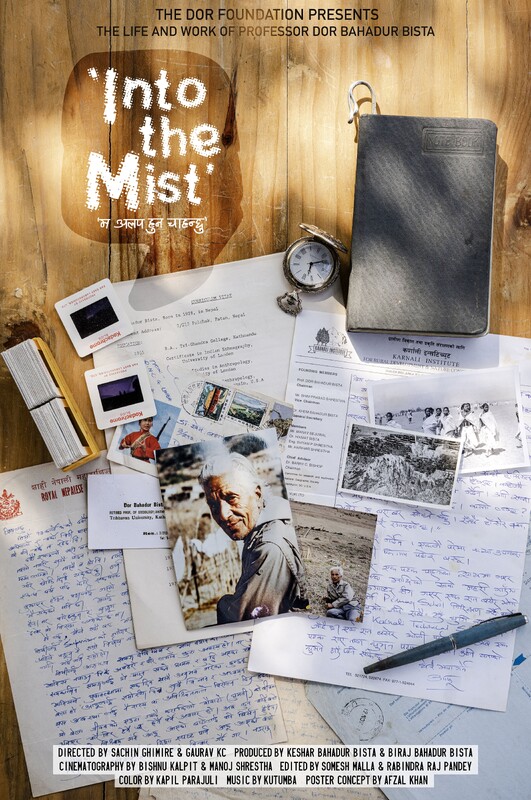
This is a biopic based on the life and work of an anthropologist Professor Dor Bahadur Bista. Prof. Bista is a leading anthropologist of Nepal and is remembered to this day for institutionalizing anthropology and sociology in Nepal.
Jazz in China
60min | USA
Directed by Eugene Marlow
“Jazz in China: The Documentary” chronicles the 100-year story of how jazz—a democratic form of music through improvisation—exists and thrives in China—a country with a long tradition of adherence to central authority.

Journey to Our Homelands
24min | Canada
Directed by Adrien Harpelle
In September 2019, Nibinamik First Nation Elders Tommy Yellowhead and Stephen Neshinapaise, both born at PinnaeMootang, were accompanied by a small group of youth and a Shebafilms crew as they traveled an historic canoe route to their birthplace. They paddled southward from Nibinamik First Nation to their old village site, with the journey and experiences captured for the film ‘Journey to Our Homelands.’

Liar-In-Chief: A Chronicle of the Trump Presidency Through the Eyes of An Outraged Graphic Artist
82min | United States
Directed by M Kaplan
A multi-award winning, often biting satirical documentary, that uses original still photo montages and short videos created by the director, along with his narration, to chronicle the horrors of the Trump presidency, and to warn America about the ongoing threat of hate and fascism that is Trump and Trumpism.
Liminal: Indiana in the Anthropocene
55min | USA
Directed by Zach Schrank
Liminal is an aerial film that illustrates the state of Indiana as a microcosm of the new planetary epoch following the sequence of the materials economy.

LOOSING GROUND
45 min | Italy
Directed by Angelo Loy, Martino Mazzonis
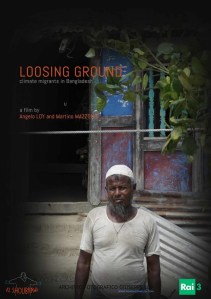
“Loosing Ground” recounts the lives of climate refugees in Bangladesh, who every day leave the countryside of the North submerged by increasingly frequent and abundant floods, who abandon the villages of the South where entire crops are destroyed by unpredictable and extremely violent cyclones.
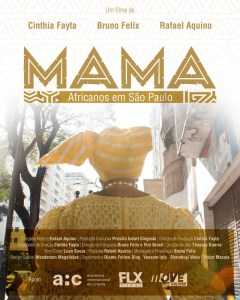
Mama – Africans in São Paulo
15min | Brazil
Directed by Rafael Aquino
The journey of the senegalese Diamu Fallow Diop, known as Mama Africa allow us to update our view about the rich cultural diversity from the many African peoples, who modify and expand the direction of the migratory flow of the city of São Paulo and Brazil.
The Music of the Wiwa People
11min | Colombia
Directed by Michael Brims and Jaime Bofill
The Wiwa is an indigenous people living in the Sierra Nevada de Santa Marta, Colombia. This short film explores the musical practices of the Wiwa Community of Gotsezhy.

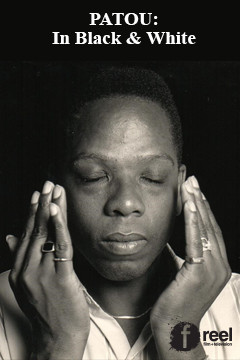
PATOU: In Black & White
55min | Australia
Directed by Fiona Cochrane
With a career that spans over four decades and across the globe, Jamaican singer Pat Powell (Patou) is one of Australia’s most accomplished yet hidden vocal talents. He is the artist that everyone wants to work with – the singer’s singer who sings with 15 bands
Portraits of Disability
41min | United Kingdom
Directed by Michael Brown
‘Portraits of Disability’ presents three short stories of young people living with disability caused by their life situation, but reflect the lived-experiences of millions of people around the world, especially those living in less economically-resourced countries and situations.

Rasaki’s Drums and the rich rhythms of Nigeria’s Yorubá
30min | United States
Directed by Eve A. Ma
Rhythm and drums for the Yorubá ethnic group of Nigeria are vitally important – for community life, for traditional religious practice, for cultural identity … AND for entertainment. Rasaki Aladokun, former drummer with the group of King Sunny Adé (“King of Juju Music”) – and a man with an infectious smile – demonstrates the drums and explains how they are used.

Rooted Musicians from Klenovec
16min | Slovakia
Directed by Petr Nuska
French photographers Claude and Marie-José Carret first came to Klenovec in 1984. They were immediately fascinated by the life of the local musicians and have returned every year since, capturing generations of the town’s famous musicians. The short film Rooted Musicians from Klenovec: Life in Photographs depicts a joint effort of the French photographers and a Czech anthropologist to repatriate images to the places where they were taken.

Shame On You!
11min | USA
Directed by Jeffrey Himpele
This film exposes the untold personal costs of victims of the predatory debt collection industry that is enabled by fear of the judicial system and hidden shame about debt.

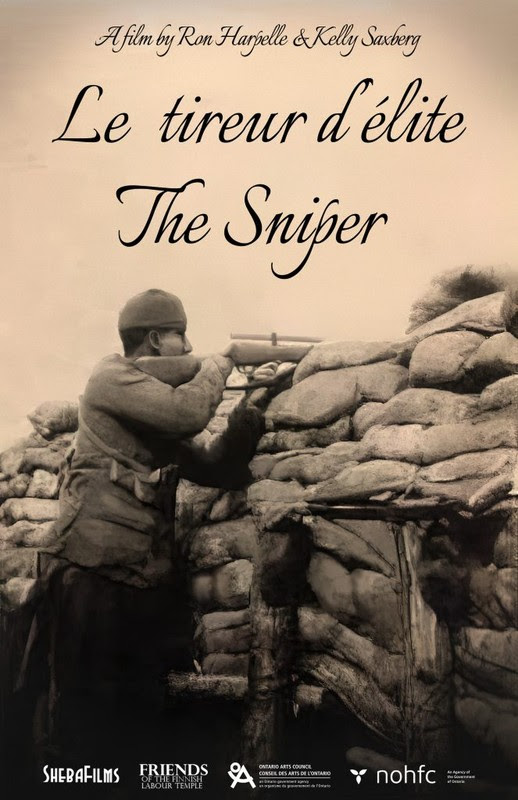
The Sniper (EN) / Le tireur d’élite (FR)
30min | Canada
Directed by Ron Harpelle
The Sniper explores the life of Patrick (Paddy) Riel, a Métis descendent of Louis Riel, who became one of Canada’s top snipers in the First World War. His story, like too many of the 60,000 other Canadians who lost their lives in the conflict, was lost in time. His descendants knew he had died a hero, but knew little else about him. Using archival footage, interviews and animation, The Sniper tells the story of Patrick Riel and the family he left behind.
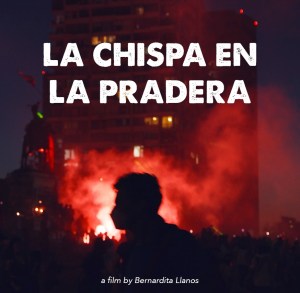
The Spark in the Meadow – La Chispa en la Pradera
17min | USA
Directed by Bernardita Llanos
This is the story of Sofia Brito , a law student who went through the struggle of publicly denouncing her professor and boss for sexual harassment and ignited the feminist surge in her university and Santiago, Chile.
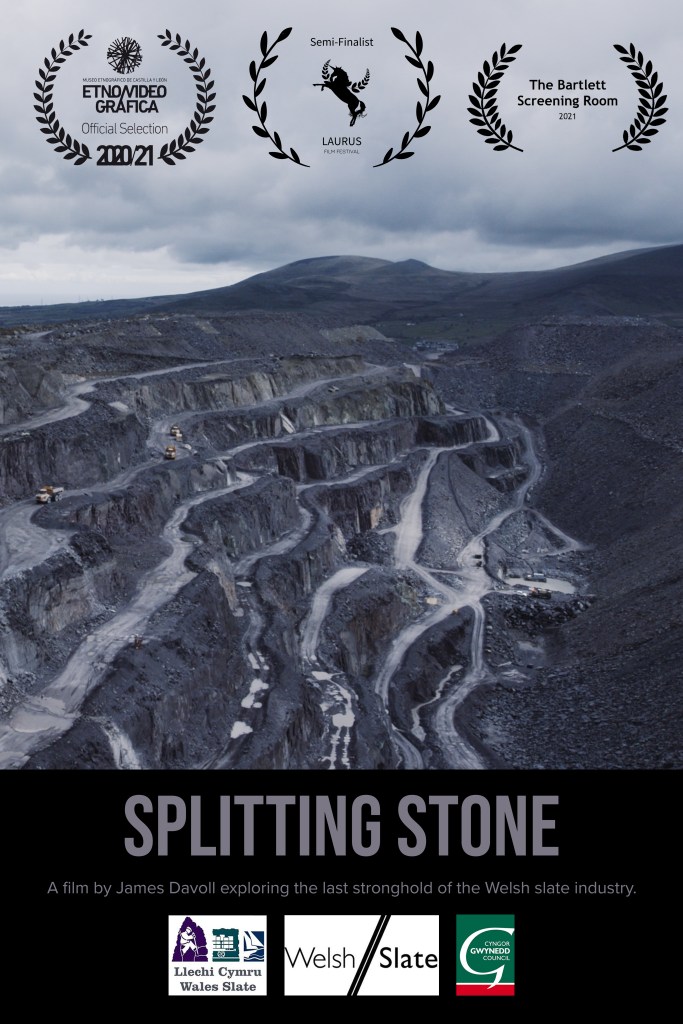
Splitting Stone
20min | United Kingdom
Directed by James Davoll
Penryn Quarry is one of the last remaining strongholds of the Welsh Slate Industry. An Industry dating back to the 16th century employing generations of Welsh workers. Where once mountains stood, valleys now reside. The mountains having been hollowed by industry. The waste tipped to the ground, redefining gradient lines. Leaving vast quarried terraces behind as a relic of industry. Splitting Stone follows the journey of one such slab of slate from mountain to crate.
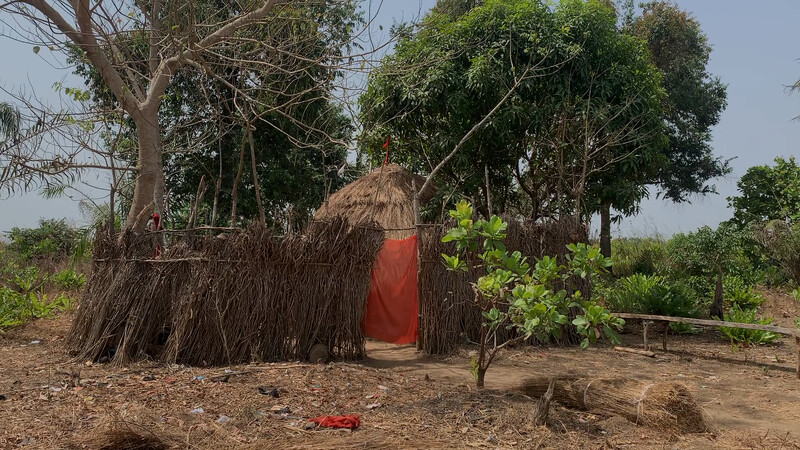
Tarma: Communities on the Frontlines of the Epidemic Response
32min | Sierra Leone
Directed by Luisa Enria
In 2014-16 Sierra Leone experienced a devastating Ebola epidemic. Tarma chronicles how frontline responders, from epidemiologists and clinicians to community health workers, civil society activists and traditional healers in Sierra Leone’s Kambia District came together, bridging difference to create imaginative community-led solutions to prepare for health emergencies.
The Time We Have Left
22min | Canada
Directed by Blake McWilliam and Niobe Thompson
If you knew today what our changing climate would do to your family in thirty years, what would you do, right now, while there was still time to act? THE TIME WE HAVE LEFT examines the human experience of survival during a time of transformation destined to be inscribed forever in Earth’s geological record.

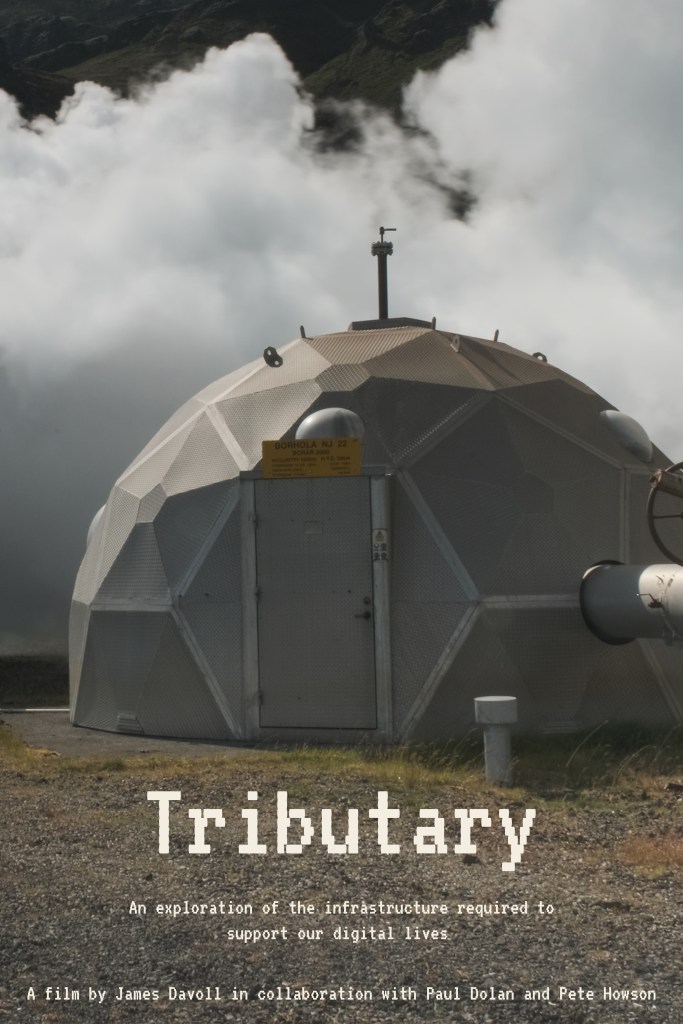
Tributary
12min | United Kingdom
Directed by James Davoll
A short experimental ethnographic film that traces the movement of natural resources through the Icelandic landscape against the visual and sonic sites of data centers and power plants. Recorded from fieldwork and site visits to Iceland and the UK, this work aims to problematizes the notion of the ‘green’ data center and explores the intensive energy requirements of bitcoin mining and mass digital image production for cinema and VFX industries.
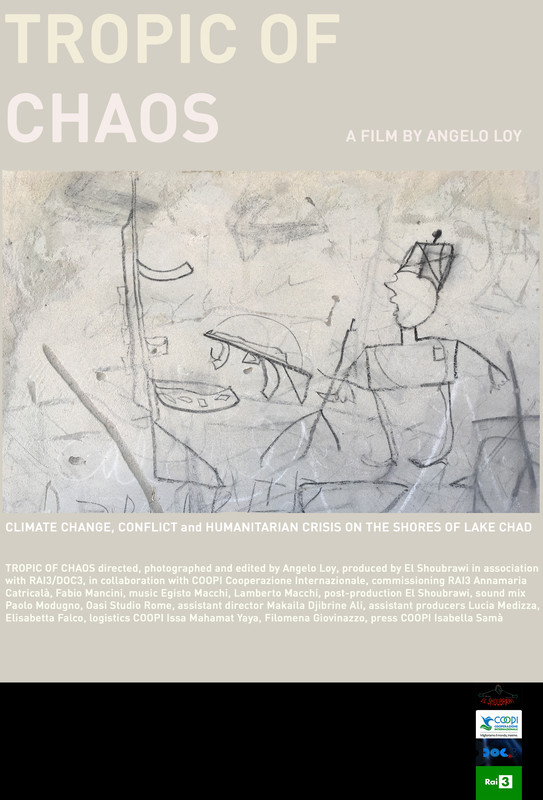
Tropic of Chaos
52min | Italy
Directed by Angelo Loy
Climate Change, conflicts and humanitarian crisis along the shores of the disappearing Lake Chad
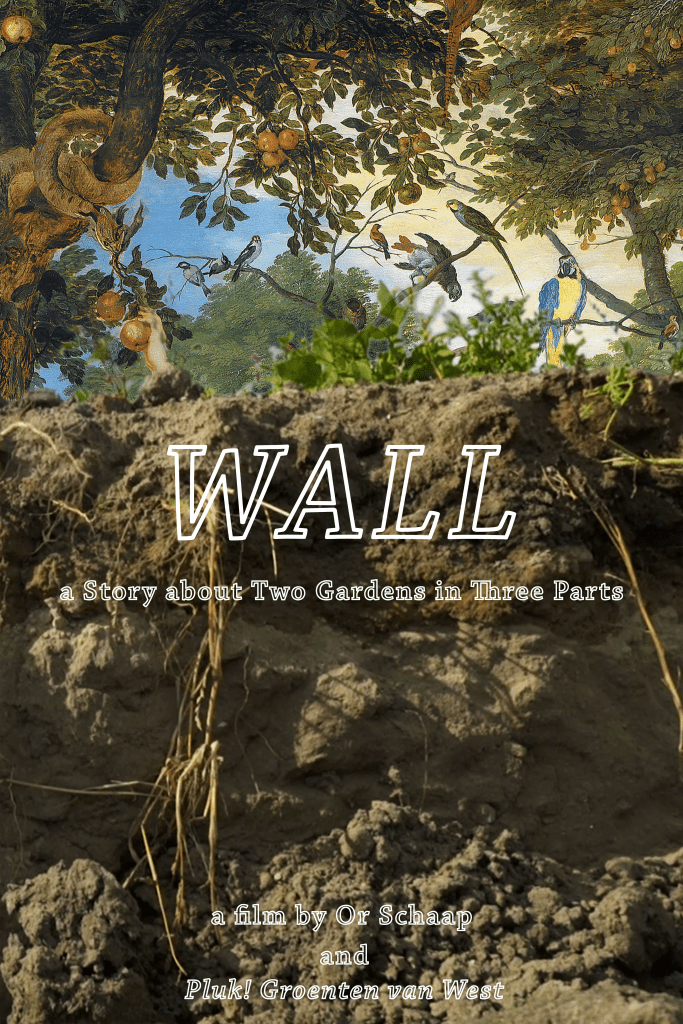
Wall: a Story about Two Gardens in Three Parts
45min | Netherlands
Directed by Or Schaap
Wall weaves the daily practice of an Amsterdam permaculture project with speculative storytelling. Through unexpected connections, ambiguous communication, and ethnographic insight, the film explores a path toward transformative change.
We Are The Music
14min | Costa Rica
Directed by Guillermo Rosabal-Coto
By sharing his experience and discoveries through a lifelong journey of music teaching and research, the writer/director seeks to challenge the audience with the question: Do you know who you are in music? The goal is to highlight how social structures in the Western music establishment alienate us from our relationship with music. The film was possible with the support of Cátedra Humboldt and IIArte (Universidad de Costa Rica), and the Latin American Studies Program of the University of Toronto (Canada).

Wholistic Conversations on Liver Wellness
23min | Canada
Directed by Kate P.R. Dunn
This DocuStory film shares conversations on wellness featuring unique stories from various personal and professional experiences and seasons of life. These eye-opening conversations share the impact the Indigenous community is making on awareness for the importance of liver health rooted in traditional culture and ways of life. These conversations put emphasis on looking forward to teaching future generations the importance of the liver, and how imperative it is to overall health and well-being.

Co-created and produced with First Nations and Metis community members in Alberta.
Why the Mountains are Black
12min | Greece
Directed by Alcaeus Spyrou
An international team of ethno-linguists meet at the foothills of Mount Çika, in an effort to document the dialect of the Greek-speaking villages in the Himara region. During the Hoxha establishment, the area was subjected to political prosecution and after the fall of Communism in Albania, Himara was marked by waves of migration. Today, its population has been decreased significantly, with the remaining residents being predominantly elderly women.
Women Are The Answer
90min | Australia
Directed by Fiona Cochrane
Population growth has been left out of the climate debate because it is considered controversial, yet it is one of the most important factors. The global population has passed the 7 billion mark and India will soon overtake China as the most populous nation in the world, but one state in southern India has found the solution.

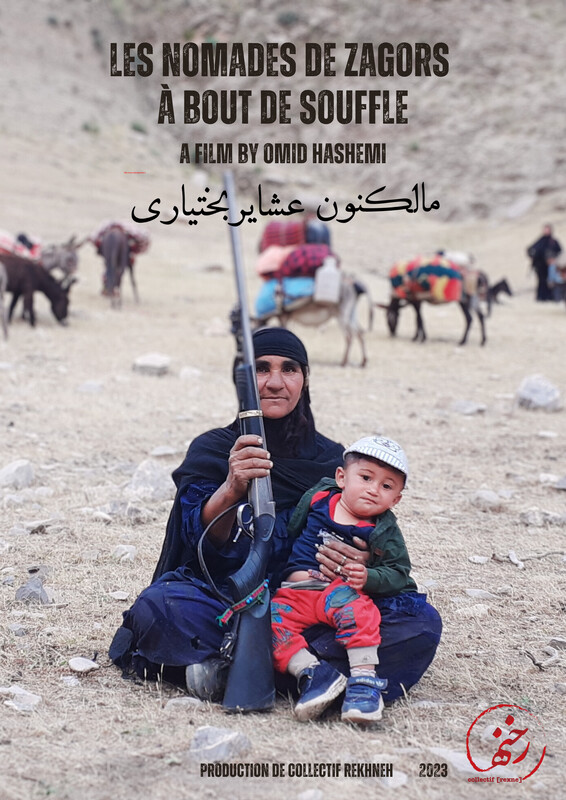
The Zagros Nomads, Breathless
76min | Islamic Republic of Iran
Directed by Seyed Habib Omid Hashemi
We went to the Khuzestan plain (Iran), to the winter pastures of the Bakhtiari nomads where they had arrived in the fall. From there, we accompanied them in their transhumance to their summer pasture in Luristan at Shulabad (the Zagros mountains in western Iran). The following year, we found them in Shulabad to make the return journey to Khuzestan. Malkanoun, the transhumance, involves walking 230 km in two weeks.

 Spotlight on Academics